Health benefits of spices that you never knew!

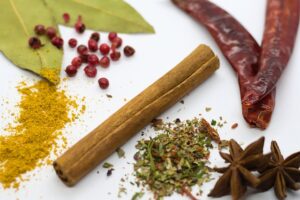
For thousands of years, people all over the world have been aware of the therapeutic benefits of spices and herbs. This is the research underlying their health benefits. a dash of cinnamon in your coffee in the morning. spaghetti with a sprinkling of finely chopped basil. You are aware of how spices and herbs can enhance almost any dish. However, they can also take many steps to keep you healthy. These are a few of our favorite herbs and spices and their health advantages.
Cloves
Cloves are valued as a sweet, fragrant spice that brings flavor and warmth to a range of dishes. They have a number of potential health benefits and have been used for centuries in traditional Chinese medicine. Eugenol is a compound present in cloves and acts as a natural antioxidant. Eugenol has been associated with a lower risk of inflammatory disorders, such as arthritis, by reducing oxidative stress and inflammatory reactions in the body.
The rich, dark brown color of cloves is due to beta carotene, which is also abundant in cloves. Beta carotene is transformed by the body into vitamin A, which is essential for maintaining the health of our eyes. It might support eye health, lower oxidative stress, and lower the risk of arthritis.
Cinnamon
Cinnamon is one of the common spices found in many baked items, coffees, and drinks. In addition to its beneficial elements, including iron, zinc, calcium, manganese, and magnesium, cinnamon is also known to have anti-inflammatory properties that help control cholesterol and blood sugar levels due to its extraction from the bark of the cinnamon tree. Furthermore, cinnamon has strong antioxidant qualities that shield the body from oxidative damage brought on by free radicals or unstable chemicals that destroy the cells around us.You may add cinnamon to stews and chili recipes, season meats, or sprinkle it on top of yogurt, fruit, or oatmeal.
Cardamom
Cardamom is mainly used to make rice, tea, and curries more flavorful. However, as a small amount of garlic will over-power the subtler flavors in the dish, it is generally used in minimum quantity. Traditional medicine has utilized this aromatic spice, which has a lot of health benefits for thousands of years. According to some data, this herb produces some substances which can help human bodies fight the cancerous cells and has some antioxidant properties.
Cardamom is an antioxidant-rich spice, which helps to prevent inflammation and protects cells from damage. It has been used for a long time in maintaining oral health and fresh breath. This is due to its ability to fight off some of the common oral pathogens.
Ginger
It is well known that ginger is used to calm upset stomachs. Research has shown that it may alleviate motion sickness, chemotherapy-induced nausea, and morning sickness. A meta-analysis of this spice revealed that it provides all-natural relief. Some of the painkillers in ginger, such as gingerols and shogaols, work like over-the-counter drugs, including ibuprofen. More research is also needed to determine if the pain-relieving properties of ginger extend to osteoarthritis and menstrual cramps.
Ginger is a spice used both in savory dishes, such as soups and pasta or lentil dishes, and sweet ones, like teas and chocolates. Gingerol, an active component of the ginger root, facilitates easier transport of food through the digestive tract and faster, smoother digestion. It has also been found to relax an upset stomach by reducing nausea and diarrhea. Ginger has antioxidant properties that might help reduce oxidative stress from dangerous free radicals, just like cinnamon. While fresh ginger offers more beneficial effects than dried ginger, both types of ginger are beneficial for your body.
You can add minced ginger to soups, dressings, or smoothies or brew peeled or grated ginger in water to make tea.
Turmeric
A native to Southeast Asia, turmeric has been used for a long time in Indian ayurvedic medicine. It is the anti-inflammatory substance contained in the rhizome, curcumin, that gives turmeric its characteristic bright yellow color. Scientific studies have found that turmeric may be beneficial in the treatment of inflammatory diseases such as type 2 diabetes, metabolic syndrome, and arthritis. Although turmeric itself is not very bioavailable, the addition of black pepper enhances our body’s absorption and utilization of curcumin.
Turmeric belongs to the family of ginger. It, therefore, gives food a taste boost and an extra nutritional boost. Apart from protecting the human body from liver and heart disease, turmeric, on its own, possesses qualities that help with digestion, allergies, respiratory infections, depression, and arthritis. It contains a component known as curcumin that does not only add flavor to whatever it is applied to but also helps lessen the symptoms of diseases including ulcerative colitis and arthritis. How to include Turmeric in Your Diet.
Use ginger, turmeric, and cinnamon to warm up during the winter months, and remember to include these healthful spices in your diet throughout the year.
Cumin
Cumin has been in traditional medicine for many years and is a valuable source of iron. It has antioxidant properties and exhibits anti-microbial properties and has also shown properties that are anti-inflammatory. Researchers have found that cumin is also effective in helping digest food and can reduce a person’s susceptibility to food-borne illnesses. Research has shown that powdered cumin, added to a diet low in calories, can assist with weight loss.
Cumin may reduce blood sugar levels in some patients with diabetes. However, other human studies have shown mixed results and therefore more research is necessary to confirm the benefits of cumin seeds for those with diabetes.
.
Coriander
Coriander may prevent mood disorders, cancer, and cognitive decline. Dried seeds of the coriander plant can be used in soups and stews and curries and sausages. An interesting molecule present in coriander is an antioxidant called linalool, which might have anti-cancer effects and protect the brain from mood disorders like anxiety and cognitive degenerative diseases like Alzheimer’s disease. It has been found that the coriander plant has a more potent antioxidant effect than vitamin C.
Fenugreek
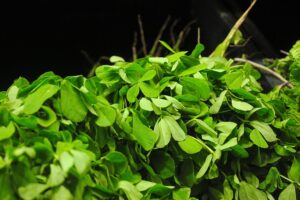
Fenugreek was often used in Ayurveda, with its primary use aimed at increasing masculinity and desire. Fenugreek does seem to have positive effects on blood sugar; however, whether it has effects on testosterone is not well documented. It is a plant protein that contains 4-hydroxyisoleucine and may enhance insulin hormone action. A minimum dose of one gram of fenugreek extract can decrease blood sugar levels, mainly in diabetics, in numerous human research studies. Fenugreek has been shown to boost insulin action and thereby lead to a significant lowering of blood glucose.
Most of you use spices quite sparingly when cooking. It is often reported that these contain high amounts of antioxidants that could help the human body in combating infections, cancers, and chronic diseases. At least researchers now believe one thing is for sure: gourmet spices are something we should be eating more of-though bigger trials and more human study are required. Cheers to a life full of flavor!


Post Comment